⚡ Key Takeaway: How do the lungs work?
Air enters through your nose or mouth, travels down the trachea and branching bronchial tubes, and reaches millions of tiny air sacs (alveoli). There, oxygen passes into the blood and carbon dioxide leaves it. The diaphragm and rib muscles power the whole cycle. The NIH MedlinePlus lung resources cover each part in detail.
Ask most people to sketch their lungs and you will get two balloons in the chest. 🎈 Cute, but the real thing is far more interesting. Your respiratory system is a precisely engineered pipeline, filter and exchange station, and understanding it makes every tip about breathing, air quality and wellness suddenly click.
Consider this your plain-English tour, from nose to alveoli. No medical degree required, just curiosity and about seven minutes. Let us follow a single breath on its journey. 🚀
👃 Stop One: The Nose and Upper Airway
Every breath ideally starts at the nose. Tiny hairs and a sticky mucous lining trap dust, pollen and other particles. Blood-rich tissues warm the air, and moisture is added so the delicate tissues below do not dry out. Think of it as the pre-treatment plant before the main system. 🌡️
Mouth breathing skips much of this conditioning, which is one reason cold, dry air can feel harsh when you breathe through your mouth during a winter run. Air then passes the throat and voice box (larynx), where a small flap called the epiglottis keeps food and drink out of the windpipe. 🍽️
🌳 Stop Two: The Bronchial Tree
Below the voice box, the trachea (windpipe) splits into two main bronchi, one per lung. From there the airways keep dividing, like branches of an upside-down tree, into smaller and smaller bronchioles. The inside walls are lined with cells that make mucus and tiny hair-like structures called cilia, which sweep that mucus, along with trapped particles, upward and out. 🧹
This "mucociliary escalator" is a quiet hero of respiratory wellness. Staying hydrated, avoiding smoke and keeping indoor air comfortable all help it do its job. If you are curious about the slippery stuff itself, we explain it in our mucus basics guide.
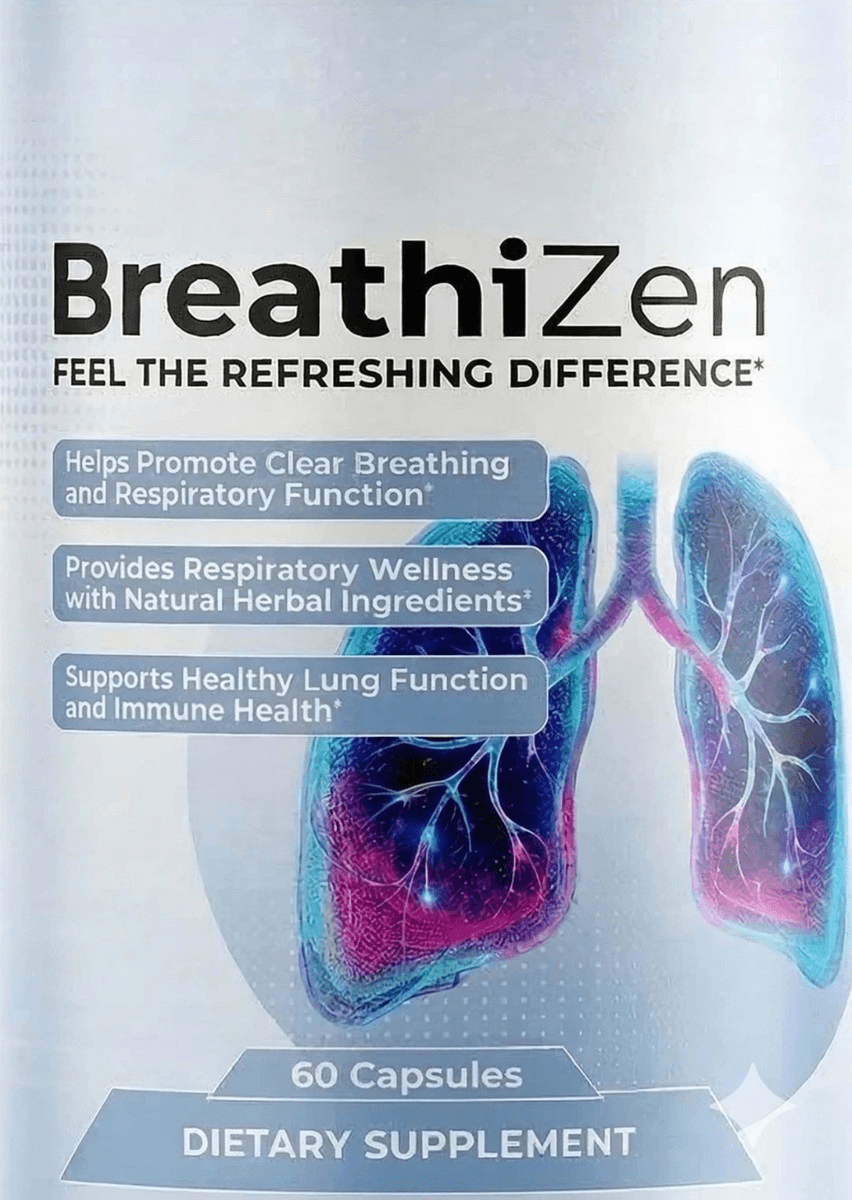
🌿 Curious what a daily respiratory wellness spray looks like? BreathiZen packs five botanical extracts into one 154 mg proprietary blend, taken as four pumps each morning. Check availability and bundle pricing before supplies run out.
🛒 See Today's BreathiZen Offer🫧 Stop Three: The Alveoli, Where the Magic Happens
At the end of the line sit the alveoli, clusters of microscopic air sacs that look a bit like bunches of grapes. A healthy adult has hundreds of millions of them, and their combined surface area is often compared to that of a tennis court. Each sac has walls only one cell thick, wrapped in capillaries. 🍇
Oxygen crosses into the blood and binds to hemoglobin in red blood cells, which carry it to every tissue. Carbon dioxide, the waste product of cellular energy production, moves the opposite way and is exhaled. This swap, called gas exchange, happens with every breath you take, day and night. 🔄 The WebMD lung health center offers helpful illustrations.
💪 The Muscles Behind the Machine
Your lungs cannot inflate themselves. The diaphragm and the muscles between your ribs (intercostals) do the heavy lifting. When the diaphragm contracts and the ribcage expands, pressure inside the chest drops and air rushes in. When they relax, elastic recoil pushes the air back out. During exercise, extra muscles in the neck and abdomen join in. 🏃
The right lung has three lobes and the left has two, leaving room for the heart. Both are cushioned by a thin double membrane called the pleura, which lets them glide smoothly against the chest wall.
🛒 Ready to try a plant-powered routine? Every BreathiZen order is covered by a 60-day money-back guarantee, so you can judge it with your own daily experience. Free shipping applies on 3+ bottles.
🔥 Order BreathiZen Risk-Free🌿 Keeping the System Happy
You cannot rebuild your lungs, but you can look after them. These are the habits with the best track record:
- 🚭 Avoid smoke of every kind, including second-hand exposure.
- 💧 Stay hydrated so airway mucus stays thin and mobile.
- 🚶 Move daily to keep the respiratory muscles conditioned.
- 🏠 Improve indoor air with ventilation and regular cleaning.
- 🍋 Eat colorful plants rich in antioxidants. See our anti-inflammatory grocery list.
Botanical supplements can be one more layer of a routine. BreathiZen's blend of Mullein, Ginger, Lemon, Bromelain and Cordyceps is designed for daily respiratory wellness support, and you can read the full rundown on the ingredients page.
❓ Frequently Asked Questions
Why do we have two lungs of different sizes?
The left lung is slightly smaller with two lobes, while the right has three. That asymmetry makes room for the heart, which sits slightly left of center in the chest. Both lungs work together to exchange gases with every breath.
What are alveoli and why do they matter?
Alveoli are microscopic air sacs at the ends of the airways. Their paper-thin walls sit against capillaries, which lets oxygen enter the blood and carbon dioxide leave it. Hundreds of millions of them give the lungs the huge surface area needed for gas exchange.
Do the lungs repair themselves?
Airway linings renew themselves fairly well, but damaged air sacs do not simply regrow. That is why protecting lungs from smoke and pollution is so important, and why you should have lingering symptoms checked early.
🏁 Final Thoughts
Your respiratory system is a seamless chain: nose, airways, alveoli and muscles all working together. Knowing the cast makes it easier to understand why clean air, movement, hydration and good habits matter. 🌟 Next time you take a deep breath, picture those millions of tiny sacs opening up and doing their quiet work.
Want to keep learning? Our guide to signs of healthy lungs is a great next stop, and the What Is BreathiZen? page explains where a daily spray fits in. Check with your doctor before starting any new supplement.
🌬️ Ready to support your respiratory wellness?
Give your daily routine a botanical boost, and test it with a full 60 days of protection.
Ready to support your respiratory wellness? Try BreathiZen risk-free with our 60-day guarantee →📚 Sources & Further Reading
- NIH MedlinePlus: Lung Diseases
- WebMD: Lung Health Center
- PubMed: respiratory research
- American Lung Association: Clean Air
⚕️ This article is for general education and is not medical advice. Dietary supplements are not intended to diagnose, treat, cure or prevent any disease. See our editorial policy and disclaimer.