⚡ Quick Answer: What is mullein leaf used for?
Mullein (Verbascum thapsus) is a tall, velvety-leafed plant that herbalists have used for generations in teas and tinctures to support respiratory comfort. Modern research is early-stage, mostly lab-based, so it should be viewed as a traditional botanical rather than a proven treatment. See PubMed studies on Verbascum thapsus.
Drive down an old country road in summer and you might spot it: a tall, fuzzy spire topped with yellow flowers, standing like a botanical candle. 🕯️ That is mullein, and its soft, silvery leaves have a surprisingly long résumé in folk herbalism. Some call it "cowboy's toilet paper." Others call it "lungwort."
So what is the story behind this humble weed, and what does science say today? This post balances tradition and research honestly, no miracle claims attached. 📜
🌱 Meet Mullein: A Plant With a Long Memory
Verbascum thapsus is a biennial plant native to Europe and Asia and now widespread across North America. In its first year it forms a rosette of thick, woolly leaves. In its second it shoots up a flower stalk that can reach several feet. Those fuzzy leaves and flowers are the parts typically used in herbal preparations. 🌼
Across Europe, Appalachia and beyond, traditional herbalists steeped mullein leaves into tea and used them in poultices and smoking blends of the past. Historical use alone does not prove efficacy, but it explains why mullein keeps appearing in respiratory-themed herbal formulas today. We unpack herbal traditions more broadly in Herbal Medicine: Ancient History and Modern Research.
🔬 What Does Research Say?
Here is the honest summary: laboratory studies have explored mullein's compounds, which include flavonoids, saponins and iridoid glycosides, for antioxidant and soothing properties. A search of PubMed for Verbascum thapsus shows a modest body of preclinical work and traditional-use reviews, but few large, high-quality human trials. 🧪
- ✅ What we can say: mullein contains plant compounds of scientific interest and has a long tradition of use for respiratory comfort.
- ⚠️ What we cannot say: that it treats, cures or prevents any disease.
- 🔍 What's missing: robust human clinical trials with standardized extracts.
Reputable supplement brands communicate within those limits, and so should you. The FDA's dietary supplements page explains what supplements may and may not claim. 🛡️
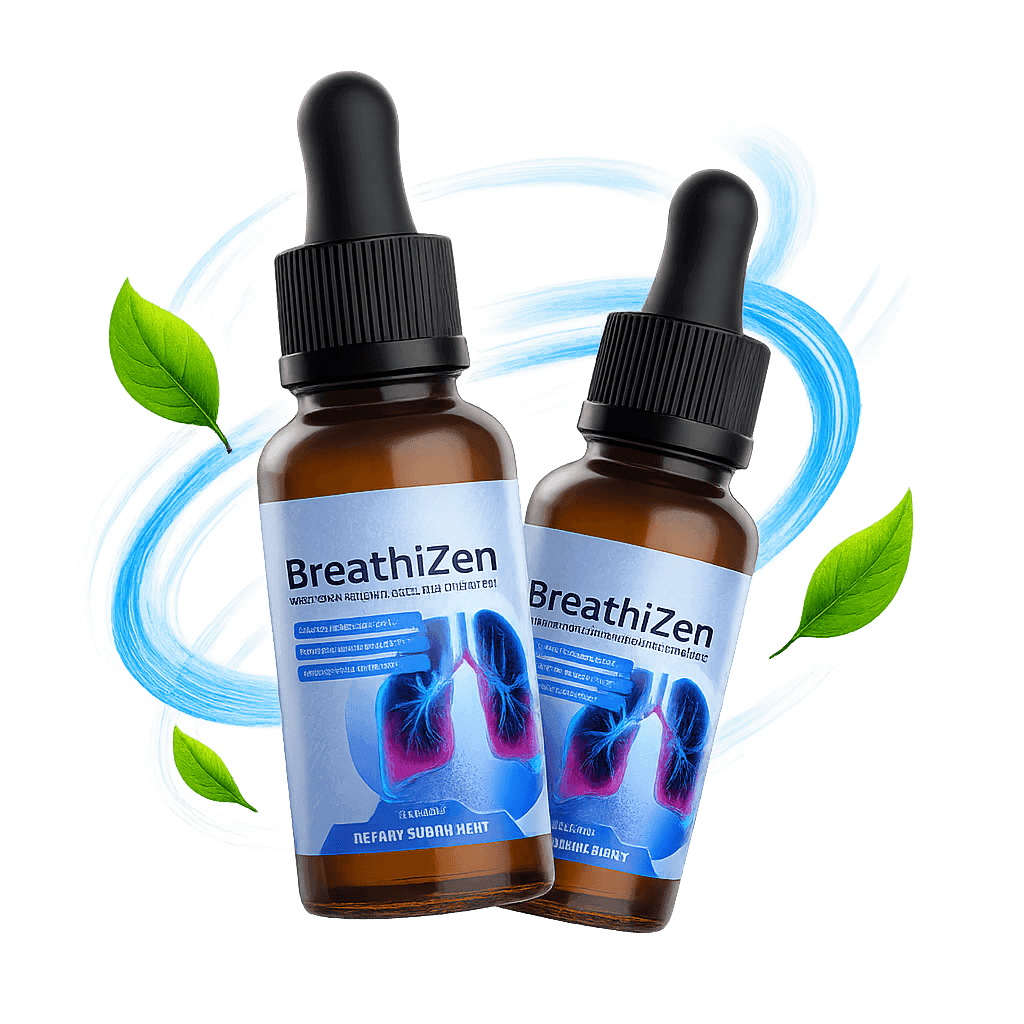
🌼 Curious about mullein in a modern format? BreathiZen puts a 10:1 mullein extract in a 30-second morning spray. Try it with a 60-day money-back guarantee.
🛒 See Today's BreathiZen Offer🍵 Tea vs. Extract: What's the Difference?
A cup of mullein tea gives you a gentle, mildly earthy infusion. Fine hairs on the leaves can irritate the throat, so strain thoroughly through a fine cloth or coffee filter. An extract, by contrast, uses a solvent to pull and concentrate plant compounds. A "10:1 extract" means roughly ten parts of dried leaf were used to make one part of extract. 🧮
That concentration is why extracts can fit into small formats like sprays. We compare the two formats in Mullein Tea vs. Mullein Extract, and explain potency labels in What Does a 10:1 Extract Mean?. 🌿
🌬️ Where Mullein Fits in BreathiZen
BreathiZen includes Mullein Leaf Extract (10:1) as the lead botanical in its 154 mg proprietary blend, alongside Ginger Root Extract, Organic Lemon Extract, Bromelain Powder and Organic Cordyceps militaris Extract. The aim is straightforward daily respiratory wellness support delivered in four pumps of a pleasant citrus-herbal spray. 🍋
Unlike tea, there are no leaf hairs to strain and no kettle to boil. For people who enjoy ritual, though, there is nothing wrong with a mug of mullein tea too. See the whole formula on our ingredients page and read how it works.
🛒 Skip the kettle, keep the tradition. Choose a 3 or 6-bottle bundle with free shipping and enjoy consistent daily support. See real reviews for context.
🔥 Order BreathiZen Risk-Free🛡️ Safety and Smart Use
Mullein is generally considered gentle, but people still react differently. Be cautious if you are pregnant, nursing, taking medication or have allergies to plants in the Scrophulariaceae family. Stop use and talk to your doctor if you notice discomfort. Identify wild plants carefully, since look-alikes exist, and buy from reputable suppliers who test their products. Check our side effects page for BreathiZen-specific details. ✅
❓ Frequently Asked Questions
What part of mullein is used?
Herbalists typically use the leaves and sometimes the flowers of Verbascum thapsus. The roots are less commonly used in modern herbal products.
Is mullein safe to take daily?
Mullein is generally considered gentle, but quality, dose and individual sensitivity vary. Check with your doctor if you are pregnant, nursing or on medication.
What is the difference between mullein tea and extract?
Tea is a diluted water infusion, while an extract concentrates plant compounds. A 10:1 extract uses roughly ten parts of leaf for each part of extract, which is why it fits into a small spray.
🏁 Final Thoughts
Mullein is a classic example of a plant where tradition runs ahead of clinical science. That does not make it useless, but it does mean honesty matters: view it as a time-honored botanical used for respiratory wellness support, not a drug. 🌟
Want to meet its partners? Read about ginger and bromelain next, and always speak with a healthcare professional before starting a new supplement.
🌬️ Ready to support your respiratory wellness?
Experience a mullein-powered daily ritual with a full 60-day guarantee.
Ready to support your respiratory wellness? Try BreathiZen risk-free with our 60-day guarantee →📚 Sources & Further Reading
- PubMed: Verbascum thapsus (mullein) studies
- FDA: Dietary Supplements
- NIH MedlinePlus: Lung Diseases
- WebMD: Lung Health
⚕️ This article is for general education and is not medical advice. Dietary supplements are not intended to diagnose, treat, cure or prevent any disease. See our editorial policy and disclaimer.