⚡ Quick Answer: How do I breathe easier in dry winter air?
Add moisture with a clean humidifier, drink more water, cover your nose and mouth outdoors, breathe through your nose, rinse with saline and avoid overheating rooms. Keep indoor humidity near 30-50 percent. More at NIH MedlinePlus and the EPA.
❄️ Winter has a talent for sneaking up on your airways. Cold air outside holds very little moisture, and the heating inside bakes out whatever remains. The result? A scratchy throat, a tickly cough and a nose that feels like it has been sandblasted.
Good news: nine practical, low-cost tips can turn that around. This is a straightforward listicle, so scan, pick your favorites and start tonight. 🧣
1️⃣ to 3️⃣ Add Moisture to the Air
1. Use a clean humidifier 💨
A cool-mist or warm-mist humidifier in the bedroom can raise humidity into the comfortable zone. Clean it per the manufacturer's directions and change the water daily. Our humidity guide explains target ranges.
2. Air-dry laundry indoors 🧺
A drying rack releases moisture naturally as clothes dry. Just keep an eye on the hygrometer so rooms do not get too damp.
3. Take warm showers and breathe the steam 🚿
A warm shower is a classic comfort move. Leave the bathroom door open afterward so some of that moisture spreads, and run the fan to prevent mold.
4️⃣ to 6️⃣ Hydrate and Rinse
4. Drink water on a schedule 🚰
Thirst cues are weaker in cold weather. Keep a bottle on your desk and aim for steady sips. Warm herbal teas count, and many people enjoy ginger in winter. Our guide to hydration and respiratory comfort goes deeper.
5. Try a saline rinse or spray 🧂
Saline moisturizes nasal passages and helps flush irritants. If you use a rinse bottle or neti pot, use only distilled, sterile or previously boiled and cooled water, as advised by health agencies.
6. Lip balm and nasal moisturizer 💋
A thin layer of balm or a nasal gel can ease dryness that makes breathing feel uncomfortable.
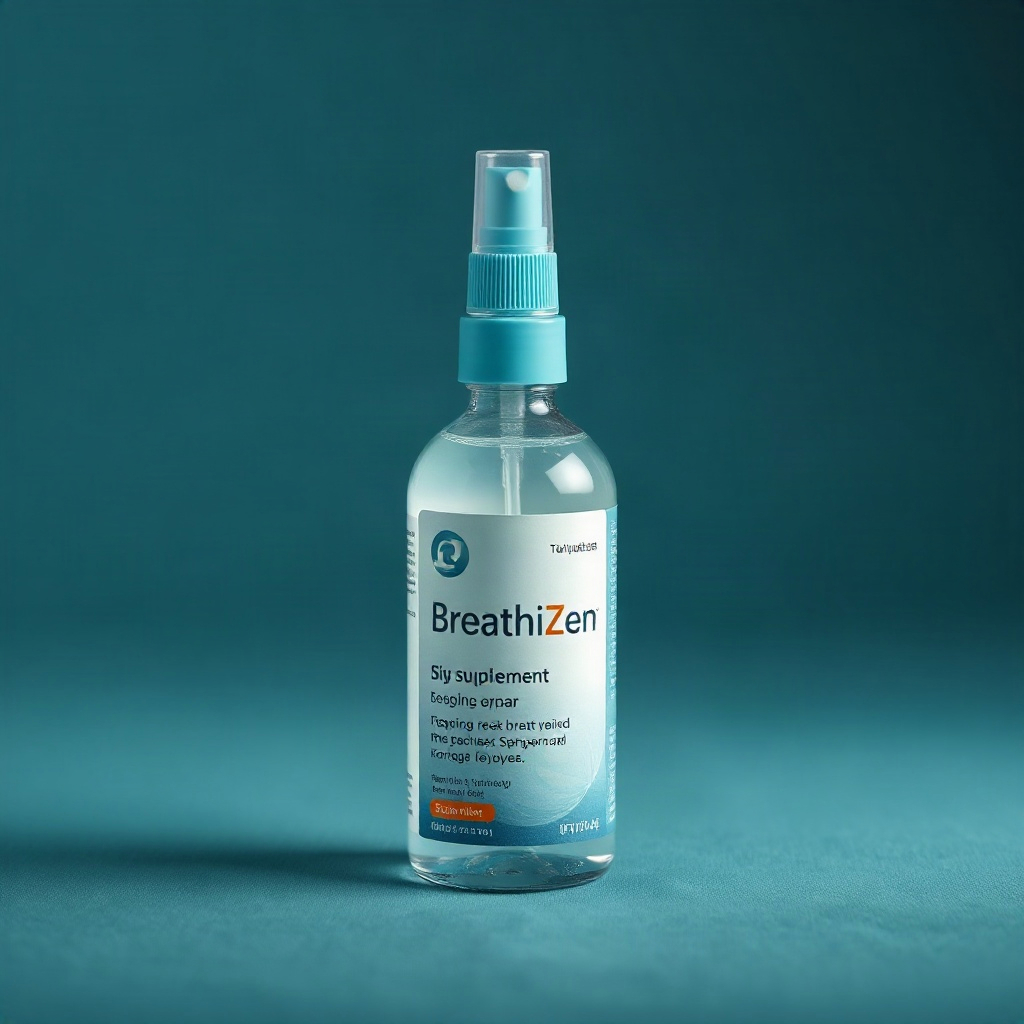
❄️ Winter-proof your mornings. BreathiZen takes 30 seconds and fits into any routine. Try it for the whole cold season with a 60-day money-back guarantee.
🛒 See Today's BreathiZen Offer7️⃣ to 8️⃣ Protect Yourself Outdoors
7. Wrap a scarf over your nose and mouth 🧣
Breathing through a scarf warms and humidifies cold air before it hits your airways. This simple trick can make winter walks far more comfortable, and a walk is still one of the best things you can do. See our piece on walking for lung health.
8. Breathe through your nose 👃
Your nose is the original air conditioner, warming and moistening incoming air. Mouth breathing in the cold skips that step and can leave the throat feeling raw. If your nose is blocked, address the cause rather than defaulting to mouth breathing. 🌬️
9️⃣ Build a Winter Wellness Routine
9. Anchor a daily ritual ⏰
Winter routines stick when they are small and consistent. Pair a glass of water, five slow breaths and a botanical like BreathiZen's four-pump morning spray with something you already do, such as brushing your teeth. The blend of Mullein Leaf Extract (10:1), Ginger, Lemon, Bromelain and Cordyceps is designed for respiratory wellness support, and you can read how it works on our How It Works page. 🌿
Also avoid cranking the thermostat. Overheated, sealed rooms are drier than cooler, ventilated ones, and 68 to 70°F is plenty comfortable for most people. 🌡️ Smoke from wood stoves, fireplaces and candles can irritate sensitive airways, so ventilate and choose gentler options when possible. The WHO's household air pollution fact sheet explains why.
🛒 Stock up for the cold months. 6 bottles at $49 each (free shipping) cover half a year of mornings. See the current bundle offers.
🔥 Order BreathiZen Risk-Free🚩 When Dryness Is More Than Dryness
If you have a persistent cough, wheezing, shortness of breath, frequent nosebleeds or symptoms that do not improve after a couple of weeks of home care, check in with a doctor. Winter also brings viruses, which deserve their own care and medical attention when needed. Check our signs of healthy lungs list for red flags. 🩺
❓ Frequently Asked Questions
Why does winter air feel so dry indoors?
Cold outdoor air holds little moisture, and when it is heated indoors, relative humidity drops sharply. Heating systems then dry out the air further, which is why winter throats and noses often feel scratchy.
Is steam inhalation a good idea?
Warm shower steam is a soothing comfort measure for many people. Avoid boiling-water bowls, which carry a real burn risk, and keep sessions short and gentle.
What temperature is best for the bedroom in winter?
Most people sleep well at a cooler setting, often between 60 and 68 degrees Fahrenheit. Cooler rooms tend to be less drying than overheated ones, and extra blankets are cheaper than extra dryness.
🏁 Final Thoughts
Dry winter air does not have to mean a scratchy, uncomfortable season. Add moisture, hydrate, cover up outside and build small habits you can maintain. Nine tips, one cozy, breathable winter. 🧣
For more everyday strategies, read our morning heaviness guide and always seek medical advice for ongoing breathing symptoms.
🌬️ Ready to support your respiratory wellness?
Make this winter your most comfortable yet, with a daily ritual backed by 60 risk-free days.
Ready to support your respiratory wellness? Try BreathiZen risk-free with our 60-day guarantee →📚 Sources & Further Reading
- NIH MedlinePlus: Lung Diseases
- EPA: Indoor Air Quality
- WHO: Household air pollution and health
- WebMD: Lung Health
⚕️ This article is for general education and is not medical advice. Dietary supplements are not intended to diagnose, treat, cure or prevent any disease. See our editorial policy and disclaimer.