⚡ Quick Answer: What humidity is best for breathing comfort?
Most health and building agencies suggest keeping indoor relative humidity roughly between 30 and 50 percent. Lower can dry out airways, while higher encourages mold and dust mites. A small hygrometer tells you where you stand. See the EPA's indoor air guidance.
Goldilocks was onto something. 🐻 Too dry, and your nose feels like sandpaper. Too damp, and the bathroom ceiling starts growing a science project. Somewhere in between sits a humidity zone where your airways are happiest, and finding it might be the cheapest breathing upgrade you can make.
This guide explains what relative humidity is, why it matters for comfort and how to hit your sweet spot all year long. Grab a hygrometer and let us go. 💧
💧 What Is Relative Humidity, Anyway?
Relative humidity (RH) tells you how much moisture the air holds compared with the maximum it could hold at that temperature. At 40 percent RH, the air is holding 40 percent of its capacity. Warm air holds more moisture than cold air, which is why winter air, once heated indoors, often feels desert-dry. 🏜️
You can measure RH with an inexpensive digital hygrometer from any hardware store. Place it in your bedroom and living room, check at different times of day and note the pattern for a week. Most people are surprised.
🌵 When the Air Is Too Dry
Dry air pulls moisture from the lining of your nose and throat, which can leave them feeling scratchy and irritated. It may also make mucus thicker and harder to clear. If you wake with a dry mouth, sore throat or frequent nosebleeds in winter, low humidity is a prime suspect. 🥀
Easy dry-air fixes
- 💨 Run a clean humidifier, ideally one you can rinse and disinfect easily
- 🧺 Air-dry laundry indoors during the cooler months
- 🍲 Simmer a pot on the stove while cooking, with supervision
- 🪴 Skip over-heating the bedroom
- 🚰 Drink more water throughout the day
We give you nine more ideas in Dry Winter Air: 9 Tips for Easier, More Comfortable Breathing.
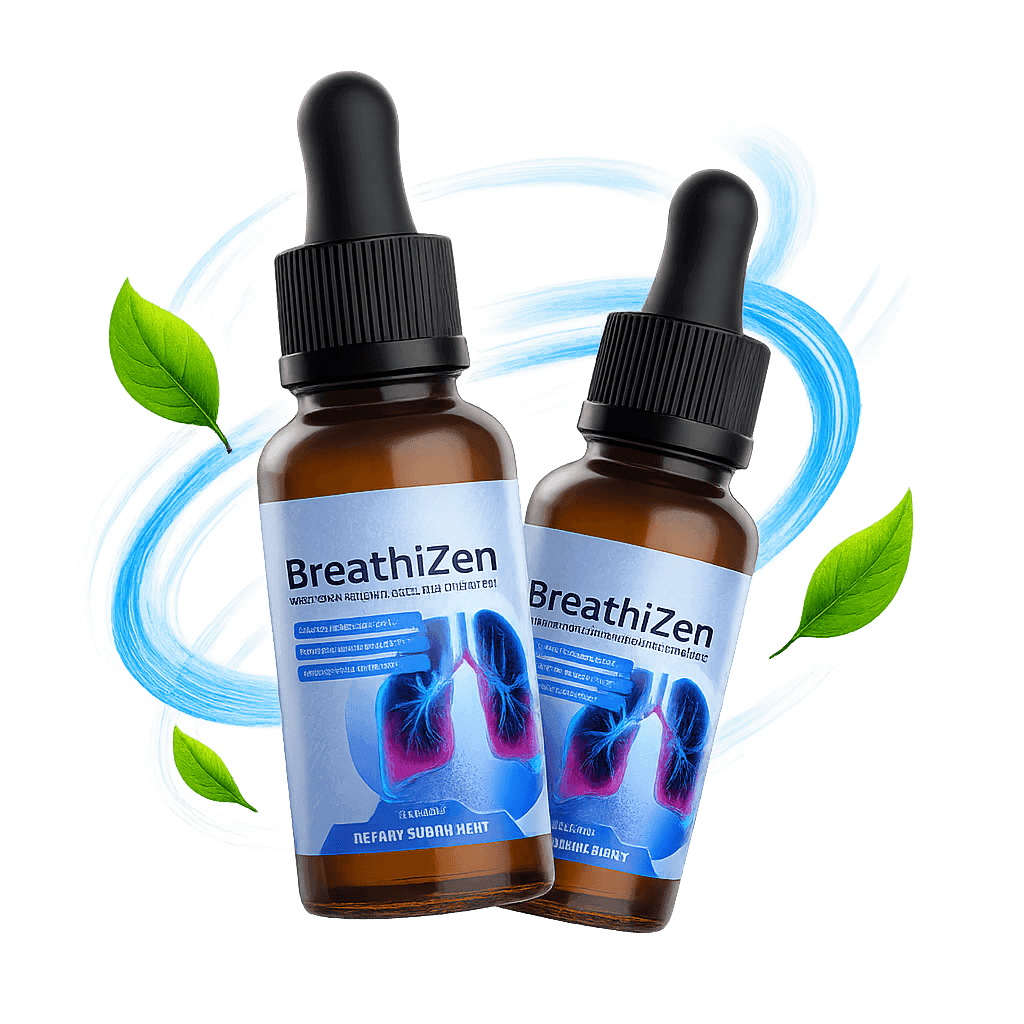
🌬️ Fix the room, then support the routine. Pair your new humidity habits with a 30-second BreathiZen spray each morning and see how comfortable your days feel.
🛒 See Today's BreathiZen Offer🍄 When the Air Is Too Damp
High humidity above roughly 50 to 60 percent makes the air feel heavy and invites mold, mildew and dust mites. These are common triggers for sneezing, itchy eyes and a heavy-feeling chest in sensitive people. Visible condensation on windows and musty smells are early warning signs. 🌧️
Easy damp-air fixes
- 🌀 Use bathroom and kitchen exhaust fans during and after use
- 🧊 Run a dehumidifier in basements and closed rooms
- 🔧 Repair leaks fast
- ❄️ Use air conditioning in muggy weather, since it also removes moisture
Our broader checklist on indoor air quality shows how humidity fits into the bigger picture, and a review of research on indoor humidity and respiratory health on PubMed shows why scientists keep studying it.
🧴 Keep Your Humidifier Honest
A humidifier can backfire if neglected. Standing water breeds microbes that then get sprayed into the air. Follow the manufacturer's cleaning instructions, change the water daily and consider distilled water if you have hard tap water. Never run a humidifier to the point that surfaces feel damp. A little maintenance keeps a helpful tool from becoming a hazard. 🧽
🔥 Try it with zero pressure. Your order is protected by a 60-day money-back guarantee, and bundles of 3+ ship free. Peek at customer stories first if you like.
🔥 Order BreathiZen Risk-Free🌿 Support Comfort From the Inside
Environment is half the equation. Your body's own moisture and mucus balance depend on hydration and good nutrition, which we cover in the hydration guide. A daily botanical routine can sit alongside those habits. BreathiZen, for example, blends Mullein, Ginger, Lemon, Bromelain and Cordyceps into a morning spray crafted for respiratory wellness support. See the ingredient breakdown for what each plant brings. 🍋
❓ Frequently Asked Questions
How do I measure humidity at home?
Use a digital hygrometer, available for a few dollars at hardware stores. Place it at breathing height away from vents and windows, and check at different times of day for a few days to understand your pattern.
Is a humidifier safe to use every night?
Yes, if you clean it regularly, change the water daily and keep humidity in the target range. Neglected humidifiers can spread microbes and over-humidify rooms, so maintenance matters.
Can humidity affect my sleep?
It can. Very dry air may leave your throat and nose uncomfortable, while very damp air feels stuffy. Many people sleep best in a cool, moderately humid room with clean bedding.
🏁 Final Thoughts
The humidity sweet spot is refreshingly simple: roughly 30 to 50 percent, measured with a cheap gadget and nudged with a humidifier, dehumidifier or a few habit tweaks. Do that, keep your devices clean, hydrate well and your airways will thank you. 🙌
Continue your learning with our seasonal allergy guide and consult a professional if you have ongoing symptoms.
🌬️ Ready to support your respiratory wellness?
Find your comfort zone at home, and give your daily routine a risk-free trial.
Ready to support your respiratory wellness? Try BreathiZen risk-free with our 60-day guarantee →📚 Sources & Further Reading
- EPA: Indoor Air Quality
- NIH MedlinePlus: Air Pollution
- PubMed: indoor humidity and respiratory health
- WebMD: Allergies
⚕️ This article is for general education and is not medical advice. Dietary supplements are not intended to diagnose, treat, cure or prevent any disease. See our editorial policy and disclaimer.