⚡ Key Takeaway: Does indoor air quality affect my lungs?
Yes. We spend most of our time indoors, where dust, mold, cooking fumes, cleaning products and pet dander can build up. Ventilating, controlling moisture, using good filters and cutting sources of smoke and chemicals are the most effective steps, according to the EPA and WHO.
Picture this: you eat well, you walk daily, you even skip the cigarettes. 🌱 Then you spend 90 percent of your life in a sealed box full of invisible particles. That is the paradox of modern living, and it is why indoor air is the hidden factor in breathing wellness.
Most people never think about the air inside their homes until a candle smells odd or a corner grows mold. This guide breaks down what is floating around, where it comes from and the least expensive ways to clear the air. 🏡
🕵️ What's Actually in Your Indoor Air?
The mix varies by home, but common culprits include:
- 🐾 Dust and dander from fabrics, bedding and pets
- 🍳 Cooking byproducts, especially from frying or gas stoves
- 🧴 Volatile organic compounds (VOCs) from cleaners, paints, air fresheners and new furniture
- 🍄 Mold spores in damp bathrooms, basements and window sills
- 🔥 Smoke from tobacco, candles, incense and fireplaces
- 🌡️ Carbon dioxide that builds up in poorly ventilated rooms
The U.S. Environmental Protection Agency notes that indoor pollutant levels can be higher than outdoors, and the World Health Organization documents the global health impact of household air pollution. Take it seriously, but you do not need to panic.
💨 Step One: Ventilate Like You Mean It
Fresh air is the cheapest filter on earth. Open windows for 10 to 15 minutes a day when outdoor air quality is good, run bathroom and kitchen fans during and after showers or cooking, and use the range hood whenever you cook. 🪟 On smoky or high-pollen days, check the AirNow air quality index first and keep windows shut. We cover those scenarios in our guides to wildfire smoke and seasonal allergies.
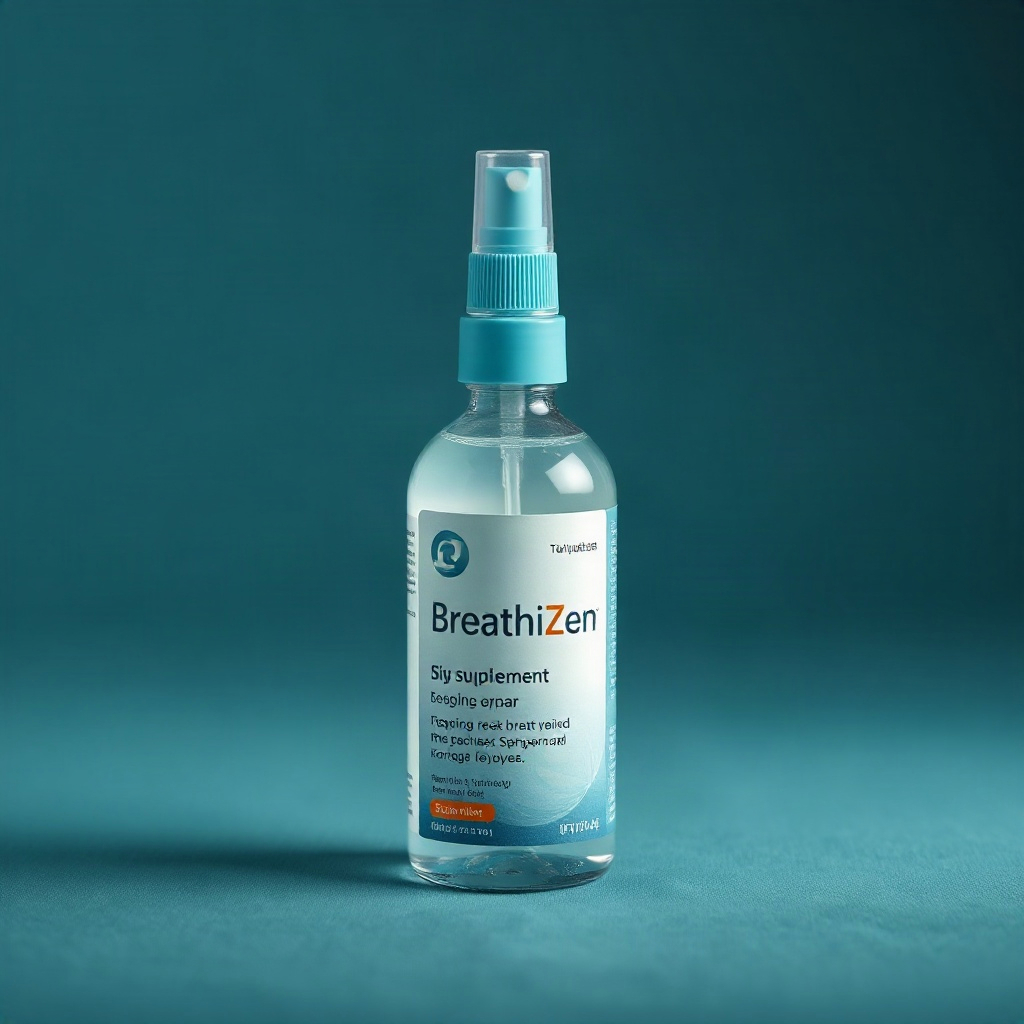
🏠 Fix the air, then support the lungs. BreathiZen is a simple daily spray built for everyday respiratory wellness. Pair it with these home upgrades and see how your mornings feel.
🛒 See Today's BreathiZen Offer💧 Step Two: Tame Moisture and Mold
Mold needs moisture. Fix leaks quickly, dry wet spots within a day or two and keep indoor humidity roughly between 30 and 50 percent. A cheap hygrometer takes the guessing out of it. Too dry and airways feel irritated, too damp and mold and dust mites thrive. We dig into this balance in our humidity guide. 🌫️
🧹 Step Three: Cut Sources, Then Filter
Remove pollution at the source first. Choose fragrance-free cleaners, skip aerosol air fresheners, leave shoes at the door and brush pets outdoors. Next, upgrade filtration: a HEPA air purifier sized to the room and a good-quality HVAC filter, changed on schedule, can capture fine particles. 🧼
Indoor plants are lovely but do not meaningfully scrub air at household scale, so do not rely on them. Enjoy them for the mood boost instead. 🪴
🔒 Try it risk-free. Every order comes with a 60-day money-back guarantee, secure checkout and free shipping on 3+ bottles. Visit the discount page for the latest bundles.
🔥 Order BreathiZen Risk-Free🌿 Support Your Body From the Inside Too
You cannot control every particle, so supporting your own defenses is a sensible second layer. Hydration, antioxidant-rich foods, daily movement and good sleep all help. Some people add a botanical like BreathiZen, a spray combining Mullein Leaf Extract (10:1), Ginger Root, Organic Lemon, Bromelain and Cordyceps for daily respiratory wellness support. Learn more on our ingredients page. This is a complement to clean air, not a substitute for it. ✨
❓ Frequently Asked Questions
How often should I change my HVAC filter?
Most manufacturers suggest every one to three months, depending on the filter type, pets and local air quality. Check your system's manual and replace more often during smoke or high-pollen seasons.
Do houseplants clean indoor air?
Studies in sealed chambers showed some effect, but at normal household scale the impact is very small. Ventilation, source control and filtration do far more, so enjoy plants for their beauty rather than as purifiers.
What is a good indoor humidity level?
Most agencies suggest roughly 30 to 50 percent relative humidity. Lower can irritate airways, while higher encourages mold and dust mites. An inexpensive hygrometer lets you monitor it.
Are scented candles and air fresheners bad for indoor air?
Burning candles and incense release fine particles and volatile compounds, and aerosol fresheners add chemicals of their own. Occasional use in a ventilated room is usually fine for most people, but if you are sensitive, choose fragrance-free products and open a window. Better yet, let fresh air and regular cleaning do the work of keeping your home smelling clean.
🏁 Final Thoughts
Indoor air quality is the quiet multiplier of everything else you do for your lungs. Ventilate, control moisture, remove sources and filter what is left. Then add smart personal habits, from hydration to a consistent morning routine. 🏆
Next up, read how city air pollution differs from indoor air, and revisit how BreathiZen works if you are building a daily regimen. As always, talk to a clinician about persistent breathing concerns.
🌬️ Ready to support your respiratory wellness?
Cleaner home, calmer breathing, and a daily ritual you can test for 60 days with zero risk.
Ready to support your respiratory wellness? Try BreathiZen risk-free with our 60-day guarantee →📚 Sources & Further Reading
- EPA: Indoor Air Quality
- WHO: Household air pollution and health
- NIH MedlinePlus: Air Pollution
- AirNow: Air Quality Index
⚕️ This article is for general education and is not medical advice. Dietary supplements are not intended to diagnose, treat, cure or prevent any disease. See our editorial policy and disclaimer.