⚡ Quick Answer: How do I protect my lungs from wildfire smoke?
Check the AQI, stay indoors with windows closed, run a HEPA purifier, create a clean-air room, wear a well-fitted N95 respirator if you must go outside and avoid strenuous activity. Seek medical help for serious symptoms. See the CDC wildfire resources and AirNow.
The sky turns orange. 🧡 The sun looks like a dim red coin. A faint campfire smell seeps through the window, even though the nearest blaze is hundreds of miles away. Welcome to wildfire smoke season, now a regular visitor across large parts of the United States.
Smoke is a mixture of gases and tiny particles, and the smallest of those particles can travel deep into the lungs. This is a narrative-style playbook for a smoky day, from morning check-in to bedtime, so you know exactly what to do when the air turns poor. 🔥
🌅 Morning: Check the Air Before You Check Your Phone
Your first move on a smoky morning is to look up the Air Quality Index at AirNow. Numbers above 100 mean sensitive groups should limit outdoor exposure, and above 150 means everyone should take care. Local fire and health agencies also post advisories. The CDC wildfire page has reliable health guidance. 📱
Keep windows and doors shut and set your HVAC to recirculate if possible. If your system has a filter upgrade option, use a good-quality filter and change it more often during smoke events. The WHO outdoor air quality fact sheet explains why fine particles are a concern. 🌫️
🏠 Midday: Create a Clean-Air Room
Pick one room, typically a bedroom, and make it your refuge. Close doors and windows, run a HEPA purifier sized for the space and avoid adding indoor pollution: no candles, no frying, no vacuuming without a HEPA filter and no smoking. If you do not have a purifier, a do-it-yourself box-fan filter, built with a MERV 13 furnace filter taped to a box fan, is an approach that public-health agencies have described. 🧰
Our guide to indoor air quality explains the fundamentals that keep your clean room clean.
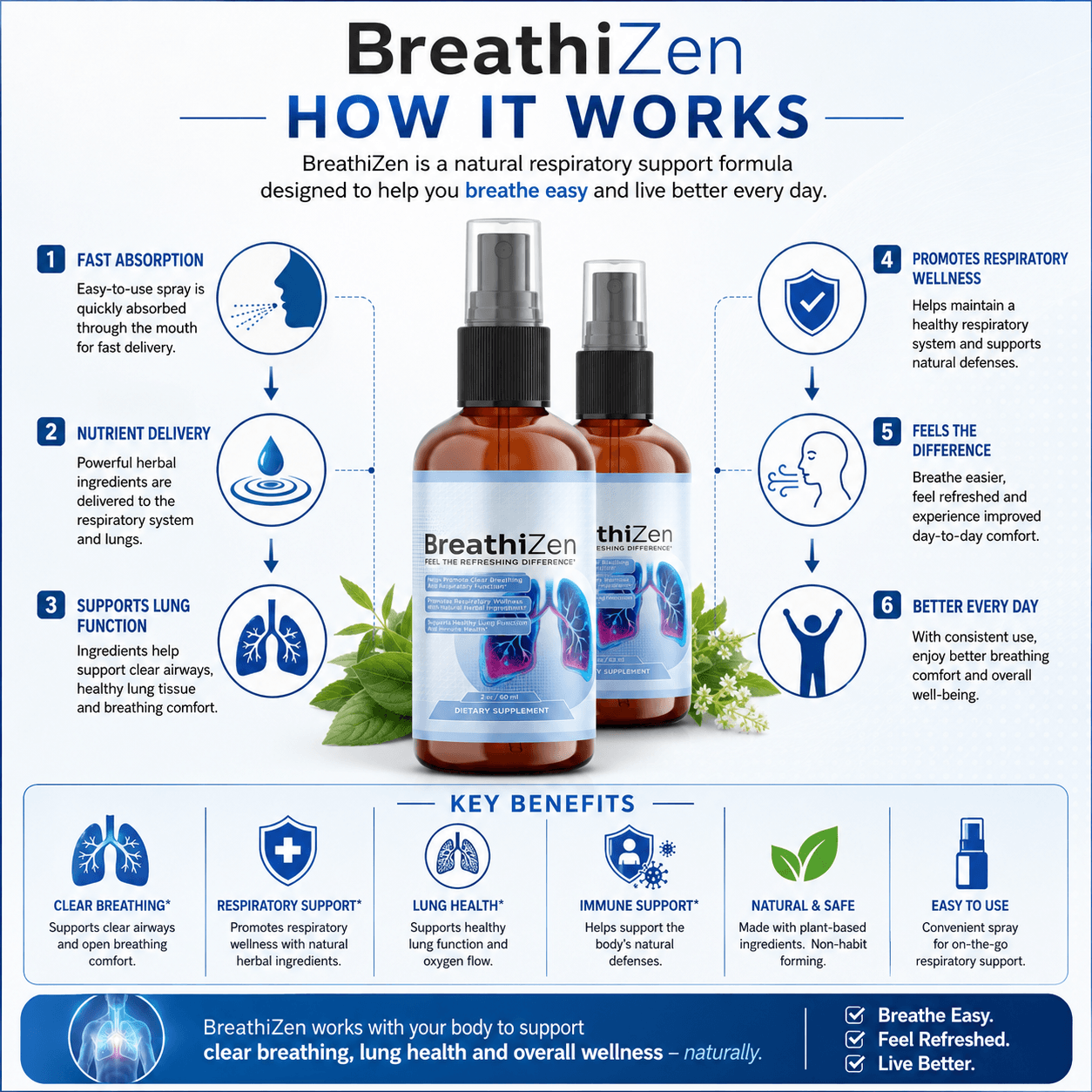
🔥 Be ready before smoke season peaks. A consistent morning ritual starts with having product on hand. BreathiZen is backed by a 60-day money-back guarantee.
🛒 See Today's BreathiZen Offer😷 If You Must Go Outside
Cloth and surgical masks do not filter smoke particles well. A properly fitted N95 or similar respirator does a much better job, but only if it seals against your face. Keep trips short, avoid exercise, and shower and change clothes when you come back in. 🧼
- 🛑 Postpone outdoor workouts until air improves
- 🚗 Run car air on recirculate
- 🐶 Keep walks with pets brief
- 👶 Take extra care with children, older adults and anyone with existing lung or heart conditions
Active adults can see our guide to respiratory wellness for active adults for training alternatives. 🏃
🍵 Evening: Support Your Body
Hydration keeps airway moisture comfortable, so keep sipping water and warm teas. Eat antioxidant-rich meals with colorful fruits and vegetables. Ginger tea is a comforting classic. Avoid smoking and alcohol, which burden the lungs further. 🫖
Many people also lean on their regular wellness routine during smoky weeks. BreathiZen's morning spray blends Mullein, Ginger, Lemon, Bromelain and Cordyceps for everyday respiratory wellness support. It is not a protective barrier against smoke, and only air-quality measures can reduce exposure, but a steady routine helps you feel in control. See the ingredient breakdown for what is inside. 🌿
🛒 Stock up and save. Bundles of 3+ bottles ship free, and the 6-bottle option brings each bottle to $49. See the discount page for today's best offers.
🔥 Order BreathiZen Risk-Free🚨 Know When to Get Help
Call your doctor or seek urgent care if you experience difficulty breathing, chest pain, severe coughing, wheezing that does not ease, dizziness or heart palpitations. People with asthma, COPD or heart disease should follow their action plans and keep medication close. Research on wildfire smoke and respiratory health on PubMed continues to grow, and your clinician can offer tailored advice. 🩺
❓ Frequently Asked Questions
What AQI is considered unsafe?
AQI values above 100 are unhealthy for sensitive groups, and above 150 for everyone. Follow local advisories, and take extra care if you have heart or lung conditions.
Do air purifiers really help with smoke?
HEPA purifiers sized for the room can capture fine smoke particles and are widely recommended by public-health agencies. Pair them with closed windows and recirculating HVAC settings.
Can a supplement protect me from smoke?
No supplement can shield your lungs from smoke. Reducing exposure is the key strategy, and a daily wellness routine is only a supportive extra.
Is it safe to exercise indoors during a smoke event?
Generally yes, as long as the indoor air is clean. Keep windows closed, use a HEPA purifier if you have one and choose lighter workouts until outdoor air improves. Avoid adding pollution indoors with candles or frying, and stop exercising if you notice coughing, wheezing or chest discomfort. Seek medical care if symptoms do not settle.
🏁 Final Thoughts
Smoky days are stressful, but a plan makes them manageable: check the AQI, filter your air, limit exposure and look after your body. Prepare early, since purifiers and respirators sell out quickly once the haze arrives. 🌤️
For an everyday perspective, read city air pollution and respiratory wellness, and always consult a healthcare provider about serious symptoms.
🌬️ Ready to support your respiratory wellness?
Build a steady, supportive routine for poor-air days, and try it risk-free for 60 days.
Ready to support your respiratory wellness? Try BreathiZen risk-free with our 60-day guarantee →📚 Sources & Further Reading
- CDC: Wildfires
- AirNow: Air Quality Index
- WHO: Ambient air quality and health
- PubMed: wildfire smoke and respiratory health
⚕️ This article is for general education and is not medical advice. Dietary supplements are not intended to diagnose, treat, cure or prevent any disease. See our editorial policy and disclaimer.