⚡ Quick Answer: How can I protect my lungs from city air?
You cannot clean a whole city, but you can check the daily air quality index, avoid exercising near heavy traffic, choose greener routes, filter indoor air and support your body with hydration, antioxidant-rich food and healthy routines. See the WHO outdoor air quality fact sheet and AirNow.
City life is thrilling. 🌆 Great food, great people and, sometimes, a haze you can practically taste. Traffic exhaust, construction dust, industrial emissions and seasonal smog all end up in the air we breathe, and the lungs are the first line of contact.
The headline is not "move to the mountains," though that sounds nice. It is that you control more than you think. Let us separate what is out of your hands from what is entirely in them, and build a simple urban breathing playbook. 🧭
🌫️ What's in City Air?
Urban air is a cocktail. The pollutants that health agencies track most closely include fine particulate matter (PM2.5), which is small enough to travel deep into the lungs, along with ground-level ozone, nitrogen dioxide and sulfur dioxide. The World Health Organization summarizes the evidence linking outdoor air pollution to respiratory and cardiovascular concerns, and the NIH's MedlinePlus offers a plain-language overview. 🏭
Levels swing with weather, traffic, season and geography. A stagnant, warm, sunny day can raise ozone, while winter inversions can trap particles near the ground. This is why checking a daily forecast beats guessing.
📱 Habit One: Check Before You Go
The free AirNow site and app translate the Air Quality Index into color-coded guidance. Green means go. Orange or red means shorten outdoor workouts, move them indoors or pick a quieter time. Make it as routine as checking the weather. 🌦️
- 🟢 Good (0-50): enjoy your day.
- 🟡 Moderate (51-100): unusually sensitive people may want to take it easier.
- 🟠 Unhealthy for sensitive groups (101-150): reduce prolonged exertion if you are sensitive.
- 🔴 Unhealthy (151+): limit time outdoors, especially near roads.
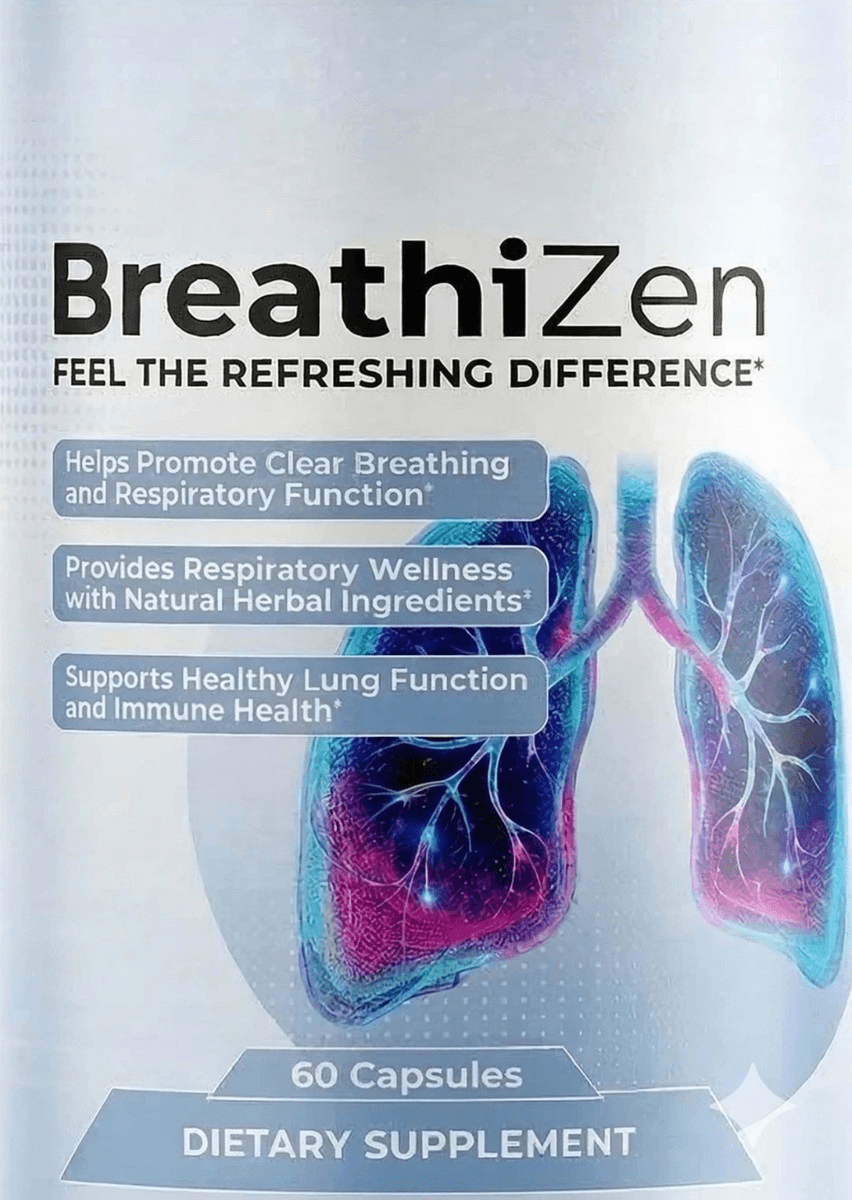
🏙️ Living in a big city? Build a morning ritual that takes 30 seconds. BreathiZen's four-pump daily spray is designed for urban routines, and our 60-day guarantee lets you test it with confidence.
🛒 See Today's BreathiZen Offer🚶 Habit Two: Choose Smarter Routes and Times
Pollution concentrates near busy roads. Walking or cycling one block over from the main artery, or through a park, can noticeably reduce your exposure. Early morning and late evening often beat rush hour. If you run, aim for green corridors and skip the tailpipe-level sidewalk. 🌳
Do not abandon exercise because of the air. Regular activity is hugely valuable, and the WHO's physical activity guidance remains a good target. The trick is to be tactical, not to stay on the couch. 🏃
🏡 Habit Three: Make Home Your Clean-Air Base
Since you spend most hours indoors, that is where small upgrades pay off. Use a HEPA purifier in the bedroom, change HVAC filters on schedule, and keep windows closed during rush hour or smog alerts. Our guide to indoor air quality has the full checklist. If you commute, consider a well-fitted respirator on very poor-air days, as recommended by public-health agencies. 😷
🛒 Smart shoppers choose bundles. Three bottles ship free, and six bottles get you $49 per bottle, perfect for a full-season routine. See what customers say before you decide.
🔥 Order BreathiZen Risk-Free🍋 Habit Four: Feed and Hydrate Your Defenses
Your airways have their own defenses, including mucus and cilia that trap and sweep out particles. Drinking enough water, eating colorful fruits and vegetables and sleeping well support those processes. Antioxidant-rich foods such as citrus, berries and leafy greens are a sensible default, and our anti-inflammatory grocery list makes shopping easy. 🥦
Many city dwellers also add a botanical ritual. BreathiZen's spray combines Mullein Leaf, Ginger, Lemon, Bromelain and Cordyceps in a blend designed for everyday respiratory wellness support. It is not a pollution shield, but it can be part of a larger lifestyle approach. You can see all five plants explained on our ingredients page.
❓ Frequently Asked Questions
What does the Air Quality Index measure?
The AQI converts concentrations of major pollutants, including fine particles and ozone, into a simple scale from 0 to 500. Lower numbers are better, and color-coded categories tell you when to limit outdoor activity.
Are masks helpful in polluted cities?
Cloth and surgical masks filter little fine particulate. A well-fitted N95 or similar respirator does better, but only with a good seal. Use one on very poor-air days and follow guidance from public-health agencies.
Should I stop exercising outside when the air is poor?
Not entirely. Reduce intensity, choose parks over main roads, move indoors on red-alert days and avoid rush hour. Regular activity remains valuable, so the goal is smart timing rather than inactivity.
🏁 Final Thoughts
City air is a fact of life, but your response to it is a choice. Check the AQI, pick cleaner routes, upgrade your indoor air and support your body with food, water and sleep. Add a consistent botanical routine if it appeals to you, and always loop in your doctor if breathing symptoms persist. 🌟
Prefer something more seasonal? Our post on wildfire smoke season covers extreme poor-air days.
🌬️ Ready to support your respiratory wellness?
Support everyday lung comfort in the city, backed by 60 days of risk-free confidence.
Ready to support your respiratory wellness? Try BreathiZen risk-free with our 60-day guarantee →📚 Sources & Further Reading
- WHO: Ambient (outdoor) air quality and health
- NIH MedlinePlus: Air Pollution
- AirNow: Air Quality Index
- American Lung Association: Clean Air
⚕️ This article is for general education and is not medical advice. Dietary supplements are not intended to diagnose, treat, cure or prevent any disease. See our editorial policy and disclaimer.