⚡ Quick Answer: How can I breathe easier during allergy season?
Track pollen counts, keep windows closed on high-pollen days, shower after being outdoors, rinse your nose with saline and use a HEPA filter indoors. Talk to a doctor or pharmacist about medication. See MedlinePlus on allergy for reliable guidance.
You know the drill. 🌼 The trees bloom, the sky turns a lovely shade of yellow-green and suddenly your eyes are itchy, your nose is running and your chest feels a little tight. Seasonal allergies affect millions of Americans, and they have a sneaky way of turning beautiful weather into an endurance event.
The good news is that a handful of practical tweaks can take the edge off. This guide is a step-by-step playbook for staying comfortable, from checking the pollen forecast to refreshing your bedroom, plus where a daily botanical routine might fit. 🌿
🌳 Know Your Triggers and Timing
Allergy season is not one season. Tree pollen typically peaks in spring, grasses in late spring and summer, and weeds such as ragweed in late summer and fall. Mold spores can linger year-round and spike after rain. Knowing which one bothers you lets you plan ahead instead of react. 📅
Keep a simple symptom diary for a few weeks, noting the date, weather and where you were. If patterns appear, share them with an allergist. The NIH's MedlinePlus allergy hub and WebMD's allergy center both explain testing options and common triggers.
🏠 Build a Low-Pollen Home
Your home should be a refuge, not a pollen trap. Try this checklist:
- 🪟 Close windows on high-pollen days, especially mornings and windy afternoons.
- 🧹 Vacuum with a HEPA-rated machine at least weekly.
- 🛏️ Wash bedding in hot water every week or two.
- 🧺 Change clothes when you come in, and keep outdoor shoes by the door.
- 🌀 Run a HEPA air purifier in the bedroom.
- ❄️ Swap HVAC filters on schedule.
For more on cleaner indoor air, see our guide to indoor air quality, and the EPA's indoor air resources.
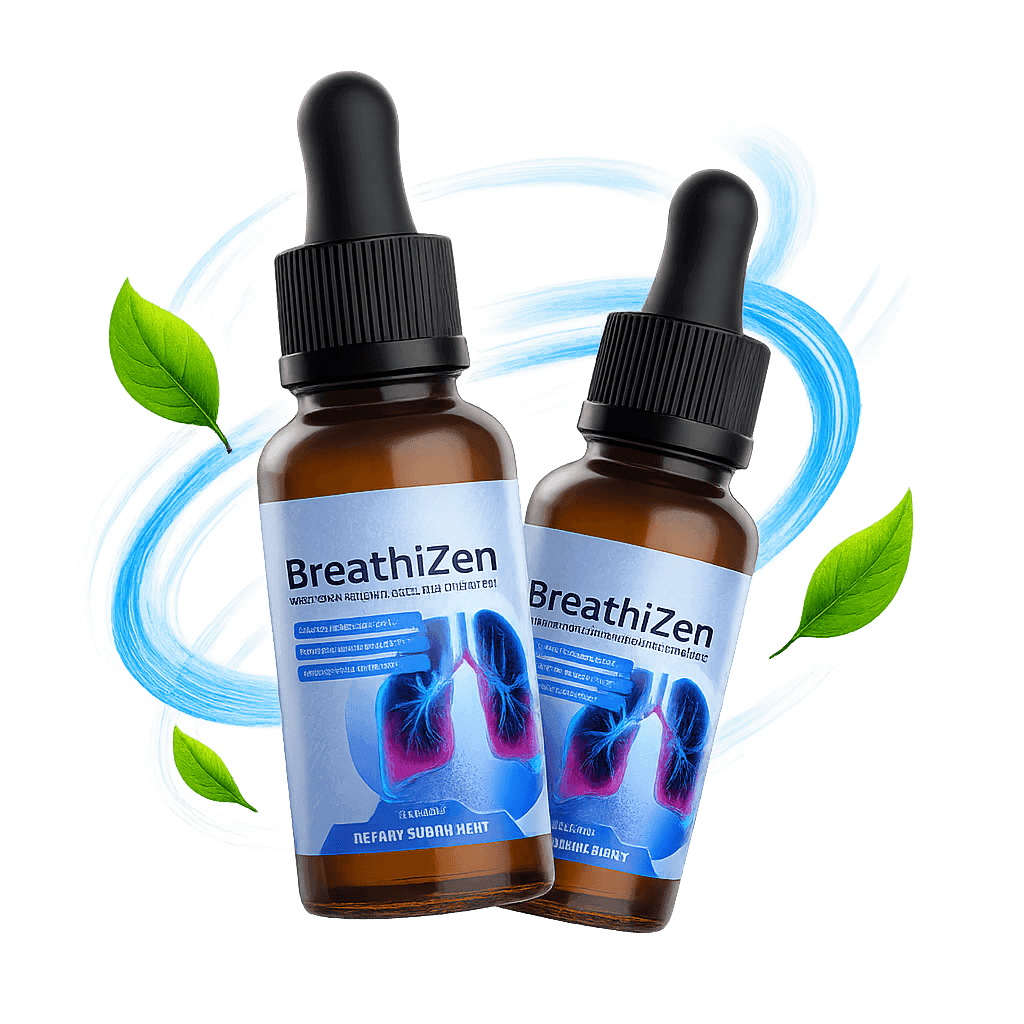
🔥 Make allergy season a little less miserable. Add a 30-second BreathiZen morning spray to your anti-pollen routine and judge it for yourself with a 60-day money-back guarantee.
🛒 See Today's BreathiZen Offer🚿 Rinse, Hydrate and Reset
A shower and hair wash before bed removes pollen that would otherwise end up on your pillow. A saline nasal rinse can flush irritants from nasal passages, but use only distilled, sterile or previously boiled water to stay safe. 💧
Staying hydrated keeps mucus thin and easier to move, which is part of how your airways defend themselves. Our hydration guide covers daily habits. Warm drinks like ginger tea can also feel soothing, and ginger has a long tradition in kitchens and herbal practice. 🫖
🌿 Where Botanicals Fit In
Plant-based support has been a human tradition for centuries. Mullein leaf has long been used in herbal practice for respiratory comfort, ginger is a pantry staple, and lemon provides citrus antioxidants and vitamin C. BreathiZen combines these with bromelain and Cordyceps militaris in a daily oral spray designed for everyday respiratory wellness. 🍋
To be clear: a supplement is not an allergy medication and will not replace what your doctor recommends. Think of it as a complement to the environmental steps above. Individual results vary, and anyone on medication, pregnant, or nursing should check with a healthcare professional first. Read the safety details on our side effects page.
🛍️ Stock up before peak season. BreathiZen bundles of 3 or more ship free, and the 6-bottle option drops to $49 each. Check our current discounts page for details.
🔥 Order BreathiZen Risk-Free🧘 Don't Forget Your Breathing Habits
When your nose is blocked, it is tempting to gulp air through the mouth. In small doses that is fine, but pairing a saline rinse with slow nasal breathing, once you can, helps your body warm and filter incoming air again. Gentle exercises like box breathing can also help you stay calm when symptoms flare, since stress tends to make everything feel worse. 😮💨
❓ Frequently Asked Questions
When is pollen highest during the day?
Pollen counts often peak in the morning and on warm, dry, windy days, and dip after rain. Checking a local forecast helps you time outdoor activities, and showering after being outside keeps pollen off your pillow.
Should I keep windows open during allergy season?
On high-pollen days it is usually better to keep windows closed and use air conditioning or a HEPA purifier instead. Open them briefly on low-pollen days, such as after a rainstorm, to refresh indoor air.
Can a herbal supplement replace allergy medicine?
No. Herbal supplements are not designed to treat allergies, and they should never replace what your doctor recommends. They can be one part of a broader wellness routine for general respiratory comfort.
🏁 Final Thoughts
Seasonal allergies are annoying, but you have more control than it feels like. Know your triggers, set up a low-pollen home, rinse and hydrate, and build a morning routine that supports your respiratory comfort. Small steps, stacked consistently, make spring and fall a lot more enjoyable. 🌸
For related reading, try our piece on city air pollution, and always talk with a healthcare professional about persistent or severe symptoms.
🌬️ Ready to support your respiratory wellness?
Start your season with a calmer routine, and back it with 60 days of risk-free confidence.
Ready to support your respiratory wellness? Try BreathiZen risk-free with our 60-day guarantee →📚 Sources & Further Reading
⚕️ This article is for general education and is not medical advice. Dietary supplements are not intended to diagnose, treat, cure or prevent any disease. See our editorial policy and disclaimer.